THE TRAJECTORY OF GRIEF
We erupted in cheers as Chandrayaan-3 soared across the screen, tracing its path toward the moon’s surface. It was August 23rd, 2023—an ordinary workday transformed into a moment of collective awe in the office canteen. Eyes wide, hearts thumping, we watched history unfold, a surge of pride electrifying the air. In that charged instant, this post was born in my mind, the meaning of trajectory refracted through the arc of a spacecraft like the silent journeys we all undertake within.
Simply put, trajectory means path. If you come to think of it – as non-technically as I do, there is a trajectory to everything. Career, age, relationships, life and even emotions. The trajectory of an emotion is not only how you feel today vs yesterday about people, places and things, but also how you process that emotion and regulate it. One of the most profound and transformative emotions that mankind can experience is grief. How does one handle grief? How do you deal with the loss of a beloved? How do emotions transform over the years? Just because someone who has endured profound loss appears composed on the outside doesn’t mean there is no grief now. Loss never fades. Grief never lessens.
“Our most painful experiences become our most defining moments. They determine who we are, or who we are not”.
– Mark Manson
Grief is the emotional response to loss. A highly complex experience that unfolds in many stages and is unique. Not everyone experiences grief in the same way or in a linear fashion. Everyone’s journey through loss is uniquely their own. What does Science say about grief? The scientific understanding of grief has evolved significantly, and several models have been proposed to explain it. One of the oldest and well-known models is the Kubler-Ross model, developed by Swiss-American psychiatrist Elisabeth Kubler-Ross and published in her book On Death and Dying in 1969. The Kubler-Ross model outlines five stages of grief:
Denial – This initial stage often involves shock and disbelief. The mind’s first reaction to significant loss or grief or at the prospect of loss can be to deny the reality of the situation.
Anger – As the painful reality sets in there is frustration and anger. This anger can be directed at oneself, others, or even at the situation itself.
Bargaining – In this stage, individuals try to negotiate or make deals with themselves or a higher power to reverse or lessen the pain. It’s a way to regain control and find hope in an otherwise hopeless situation.
Depression – The emotional weight of the loss or potential loss fully hits during this stage. Feelings of sadness, regret and loneliness are common.
Acceptance – This stage involves coming to terms with the reality of the situation. While the pain doesn’t disappear, individuals learn to live with it and find ways to move forward.
This is a pretty straightforward explanation about grief. While you go through each of the individual stages at some point, the process of navigating grief is never as simple as it seems.

Grief is deeply personal and can feel overwhelming, unpredictable, and all-consuming. It doesn’t follow a strict timeline, nor does it always look the way people expect it to. For some, grief is like a storm- intense, chaotic, and impossible to ignore. For others, it’s a slow, quiet ache that settles into everyday life. There is no linear trajectory to overcome any loss. On some days there will be waves of sadness, moments of anger, and unexpected memories that resurface when least expected. Can you overcome grief? In my experience, never. That void created by the loss of a loved one will always stay. And life will continue to grow around it. You can never forget that soft face, the defining features, that sense of touch and those feelings of love. Grief lingers like a dull ache in your heart – that favourite song, an old photograph, or even the scent of a familiar place. On some days you may feel withdrawn, struggle to focus, or even feel physically exhausted. But grief also carries moments of healing – through connection, reflection, and time. Some find solace in sharing stories, others in quiet solitude. As painful as grief can be, it also teaches resilience, strengthens bond and reminds people of the love they once shared. It may take time, but moments of peace do come.

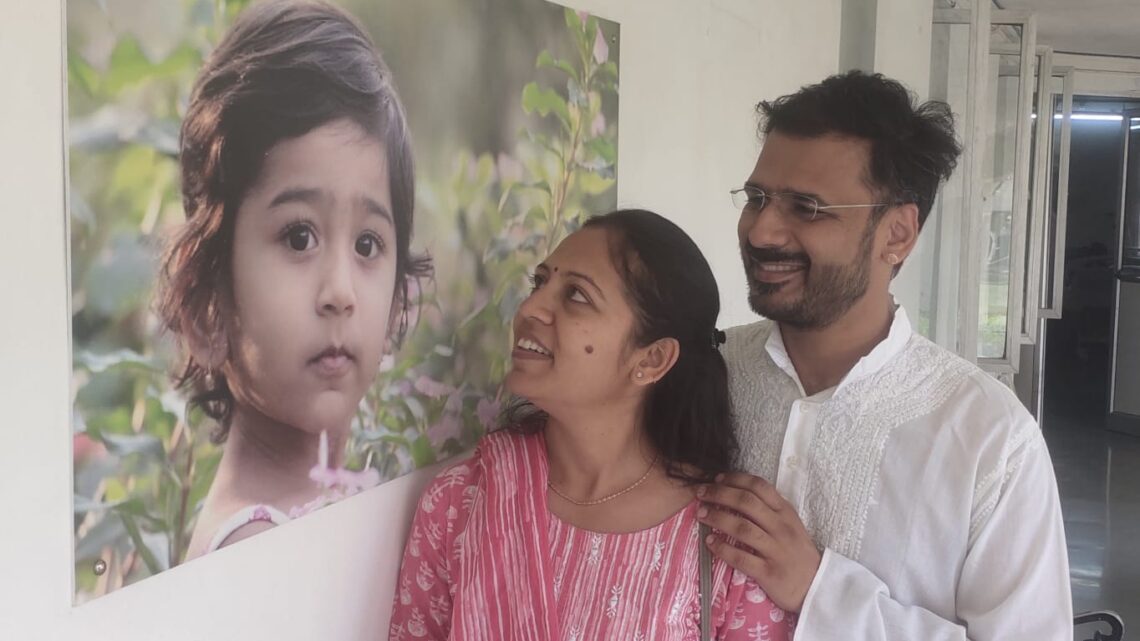
Another common worry – will I ever be able to move on? Will I ever forget? I don’t know. Personally, I don’t want to. I want to hold on to every cherished memory and each shared moment with Ira. On some days, the memories are a reminder of the life we once had and could have had – echoes of a love that lingers, even in absence. On other occasions, I draw immense joy from the fragments of that life, from the love and happiness that Ira brought into our lives. I strongly believe that Ira was born to teach us love, compassion, patience, courage, resilience and gratitude. But is it normal and healthy to stay connected with the departed ones? In 1996, researchers Dennis Klass, Phyllis Silverman and Steven Nickman introduced a powerful idea – Continuing Bonds Theory. It describes creating a new relationship with the deceased not detaching from them. Whether it’s talking to your loved one, keeping their photo close, or honoring their memory in small ways, maintaining that bond can actually help you heal.

Click on the image to READ MORE!
Honoring Ira’s memory: Smitdhwani group brings music and comfort to patients and families at the Cipla Palliative Center.
I want to leave you with this thought – grief has it’s place and it can be a part of your life. You will continue to ebb and flow in the different stages outlined by Kubler-Ross. But it shouldn’t be everything. Grief should help you to keep moving forward. No one gets it perfectly well (myself included). What matters is your willingness to grow from the experience!

To share thoughts that be so close to your heart, It is Big of you..
Thank you for sharing the theory of Continuing Bonds… Can’t put in words how and how much I feel about this…
Thanks for sharing ur thoughts especially continuing bond with lost one. 🙏🙏🙏🙏
Thanks a lot Praty for sharing your thoughts, you and Tejas are the strongest parents, Thank you for teaching us how to handle grief
Pratima…. This is such a beautiful and heartfelt piece. You’ve put the feelings of grief and love into words so perfectly. Thank you for sharing something so real and comforting.
Your words capture the depth and reality of grief so beautifully. The way you connected the trajectory of emotions with the idea of continuing bonds is truly comforting.
Beautifully penned Pratima. Grief is so personal, everyone sees & feels it differently. Living each day with our loved ones memories is the best way to move forward. Ira was blessed to have such wonderful loving parents & now she has become your guiding angel. God bless her soul.
Keep writing as it gives others hope.
Dear Pratima, this is written so well, we all can resonate with you…
I have realised that if I keep myself busy with doing something caring and lovingly for others, I revel in providing that succour, joy, contentment and relief to someone else, maybe lessening their (and my) grief in the process… And that helps me remain in the present for a little longer time…
I laud you on your efforts with the Smitdhwani group👍💪🤗❣️